 ISSUE 6 / 2026
Woman2Woman presents
When Life Tilts
Catherine Burch on money, healing, and resilience
HERSTORY
Empowered Women. Empower the World.
A financial resilience feature
Begin where you are.
When Life Tilts
Catherine Burch on money, healing, and financial resilience.
Catherine Burch on money, healing, and financial resilience.
Listen at your pace
Ready when you are.
Uses the most natural female voice available on your device.
Read-aloud is not available in this browser, but the page is still here for you to read.
ISSUE 6 / 2026Woman2Woman presents
When Life Tilts
Catherine Burch on money, healing, and resilience
HERSTORY
Empowered Women. Empower the World.
Begin where you are.
Money, healing, and room to become.
A whole story, held gently.
HERSTORY celebrates women rebuilding, becoming, creating, and choosing themselves.
Welcome to Issue 6. Here we make room for the stories behind the numbers, and for the possibility of meeting ourselves with compassion.
With love, Cherrie Orius
By Cherrie Orius
Catherine Burch's Revolutionary Approach to Money, Healing, and Financial Resilience
Why financial struggles have less to do with spreadsheets and more to do with the stories we carry.
For many women, financial advice begins and ends with a familiar script: create a budget, cut expenses, save more, spend less.
But what if the problem isn't the budget?
What if the real issue is grief, stress, trauma, burnout, people-pleasing, or survival mode?
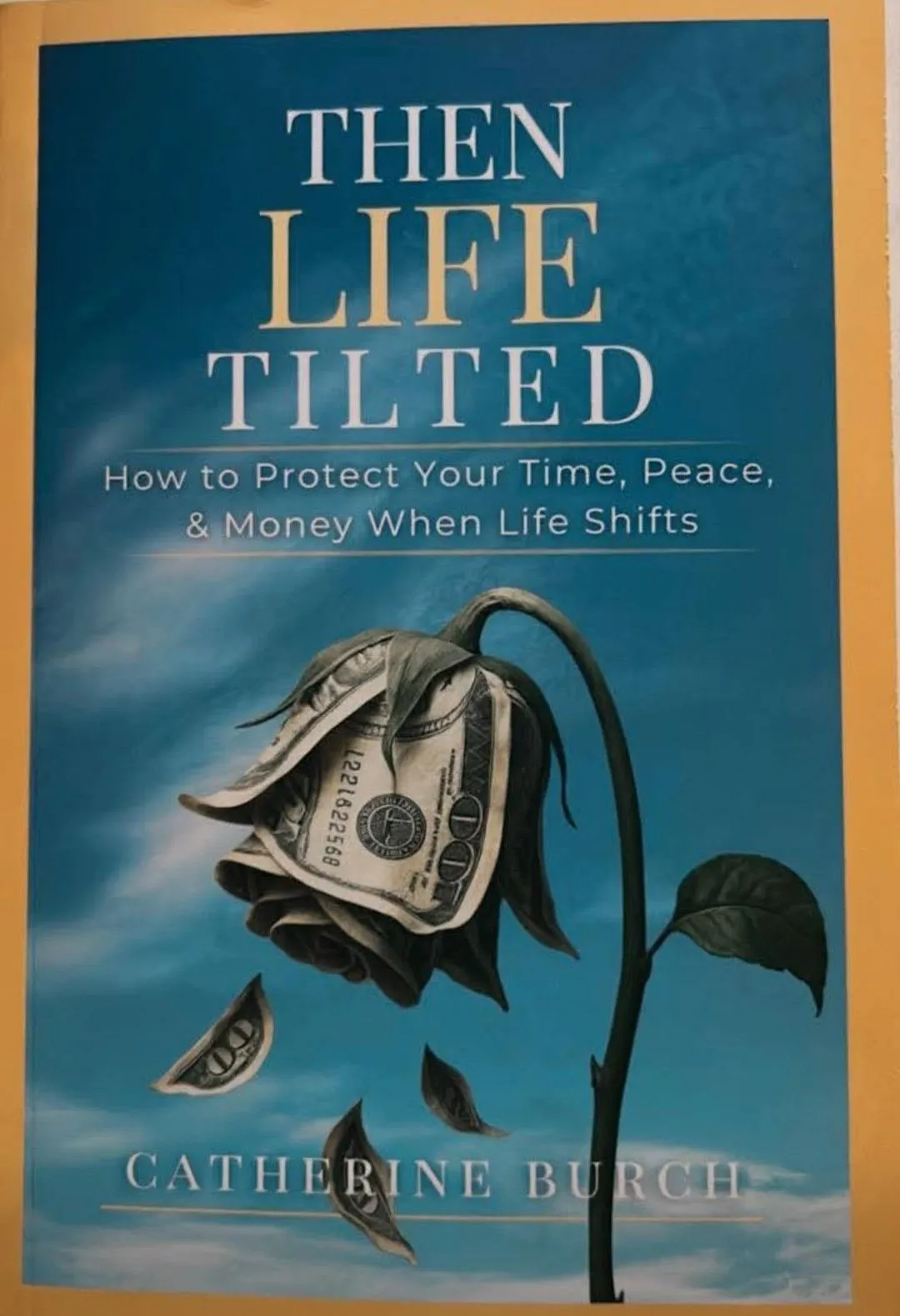
Those are the questions that drove financial resilience coach Catherine Burch, founder of Rising Rose, to write her groundbreaking new book, When Life Tilted. Drawing from more than 25 years in personal finance and her own deeply personal experiences, Burch challenges readers to rethink everything they've been taught about money.
In an intimate conversation on Woman to Woman with Cherrie, Burch revealed why traditional financial literacy often falls short and why healing may be the missing piece in financial wellness.
Behind every bank account is a life story.
After spending decades working in mortgages, student loans, bankruptcy, debt management, foreclosures, and financial counseling, Burch noticed a troubling pattern.
People weren't failing because they lacked information.
They were failing despite having it.
"They knew what they were supposed to do," Burch explained. "They had the apps, the budgeting tools, the challenges, the advice. Yet they continued to fall off track."
That realization became the foundation of When Life Tilted, a book that blends personal memoir, fictional storytelling, mindfulness practices, and financial education into an approach unlike anything currently on the market.
"This isn't a typical financial book," Burch said. "It's where mindfulness, wellness, and money come together."
Her premise is simple but powerful: financial decisions rarely happen in a vacuum. They happen when life is happening.
A difficult relationship. A job loss. A custody battle. A death in the family. An unexpected expense. A moment of fear, shame, loneliness, or exhaustion.
Behind every bank account is a life story.
One of the most memorable themes throughout the conversation was Burch's concept of being tilted.
Life tilts when pressure builds.
It tilts when emotions overwhelm logic.
It tilts when a person is simply trying to survive.
"Under pressure, what seems like the right move is whatever makes the feeling stop," Burch writes in the book.
It's a statement that resonates deeply in today's world.
With economic instability, layoffs, rising costs, and increasing stress levels, many individuals find themselves making financial decisions from a place of emotional urgency rather than thoughtful planning.
Retail therapy. Impulse purchases. Taking on new debt. Avoiding bills. Starting businesses without financial systems.
These decisions are often symptoms of something deeper.
Burch believes it's time to stop judging those behaviors and start understanding them.
Behind every bank account is a life story.

The conversation became especially powerful when discussing the reality many Black women face in business and personal finance.
Burch challenges the common narrative that success simply comes down to mindset.
Too often, she says, Black women are told they aren't trying hard enough. That they need to think more positively. Work harder. Hustle more. Manifest better.
But those messages often ignore systemic barriers and disparities in access to resources, capital, and education.
"We have the degrees. We start businesses at high rates. Yet we're often the least funded and least resourced," Burch noted.
Instead of blaming individuals, she advocates for a more compassionate approach that acknowledges both personal responsibility and structural realities.
The result is what she calls a dignity-first philosophy.
"Rather than leading with shame, punishment, or guilt, Burch's work begins with understanding.
"What happened to you?" replaces "What's wrong with you?"
And that shift changes everything.
Behind every bank account is a life story.
While When Life Tilted offers practical financial insights, its emotional core lies elsewhere.
For Burch, writing the book unlocked a profound realization about her late mother.
For years, she pursued financial knowledge believing she was helping others. Yet during the writing process she discovered a deeper truth.
She had been trying to save her mother.
Each professional role. Each certification. Each lesson learned. Each financial strategy.
She was unknowingly carrying home pieces of knowledge she wished could have changed her mother's life.
As she reflected on her mother's struggles with spending, emotional pain, and coping mechanisms, a new understanding emerged.
Her mother wasn't failing.
She was surviving.
Through the lens of compassion rather than judgment, Burch finally saw not just her mother, but the woman behind the title.
A woman carrying burdens she had never fully understood.
It was a revelation that moved her to tears.
And it became one of the most transformative lessons of the entire writing journey.
Behind every bank account is a life story.
Every powerful story has people who help hold it together.
For Burch, that person was her husband.
Throughout their conversation, she recounted a difficult chapter involving a contentious custody battle, housing instability, employment setbacks, and overwhelming uncertainty.
While she was operating in survival mode, her husband became her stabilizing force.
When panic set in, he remained calm.
When circumstances became chaotic, he reminded her to keep moving forward.
"If we can see it, we can walk to it," he would tell her.
That steady presence became an important lesson in itself.
Sometimes resilience isn't about doing more.
Sometimes resilience is about having someone who can help you pause long enough to think clearly.
Burch now incorporates that idea into her financial coaching practice, encouraging people to create support systems and stabilizing spaces before making major decisions.
Behind every bank account is a life story.

Not surprisingly, Burch's coaching services look different from traditional financial counseling.
Rather than handing clients a generic budget and list of restrictions, she begins with questions.
What is your emotional capacity? How do you respond to stress? What triggers your spending behaviors? Where are your pressure points? What patterns repeat?
Only then does she help develop a plan.
"It's about finding your flow," she explained.
Because the reality is that a financial system that works perfectly for one person may completely fail another.
A successful budget isn't simply about numbers.
It's about building a framework that fits an individual's life, energy, emotional bandwidth, and behavior patterns.
Behind every bank account is a life story.
Perhaps the most unique aspect of Burch's work is her commitment to storytelling.
Her book combines memoir, fictional characters, and financial concepts in a way that allows readers to see themselves reflected in the pages.
She also plans to expand her popular Movie and Money Talk events, where participants watch films and then discuss the emotional patterns, relationships, and financial lessons revealed through the characters.
It's an approach that transforms financial education from a lecture into a conversation.
From instruction into reflection.
From shame into discovery.
Behind every bank account is a life story.
At its heart, When Life Tilted is not a book about money.
It is a book about being human.
It is about the moments when life knocks us off balance. The decisions we make under pressure. The wounds we carry. The stories we tell ourselves.
And the possibility that financial healing begins not with another budgeting spreadsheet, but with greater self-awareness, compassion, and understanding.
In a culture obsessed with hustle and income goals, Catherine Burch offers a refreshing reminder:
"Sometimes the question isn't, "How do I make more money?" Sometimes the question is, "What happened when life tilted?" And once we answer that, everything else can begin to change."
HerStory Spotlight
Author: Catherine Burch · Book: When Life Tilted · Company: Rising Rose Steward Ready
Focus: Financial Resilience, Dignity-First Financial Literacy, Personal Finance, Business Finance Education, Capacity-Based Budgeting
Memorable Quote: “Under pressure, what seems like the right move is whatever makes the feeling stop.” — Catherine Burch.
Why We Love This Story: Catherine Burch is redefining financial literacy by centering healing, humanity, and resilience. Her work reminds us that behind every bank account is a life story, and understanding that story may be the key to lasting financial transformation.
Behind every bank account is a life story.
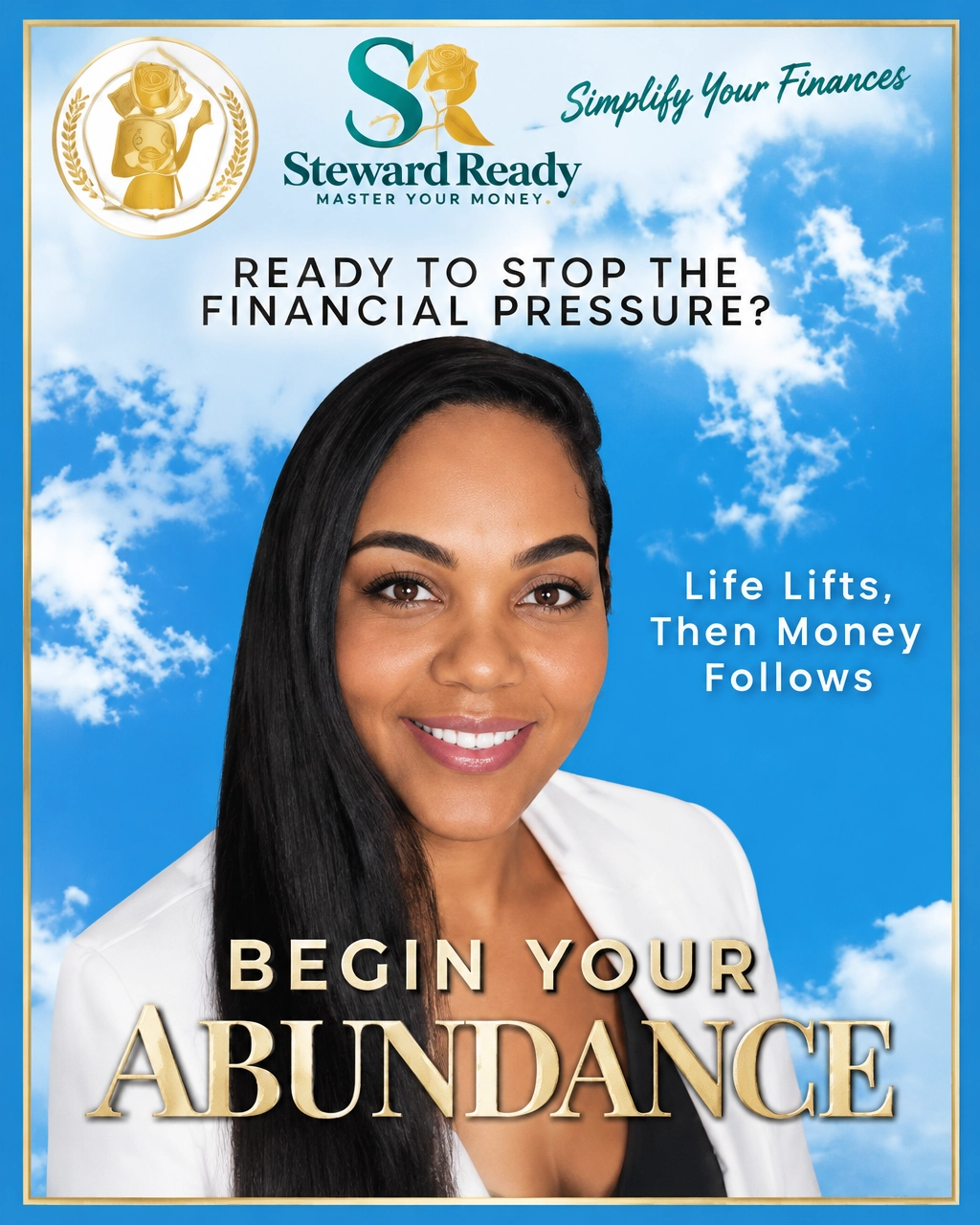
Catherine Burch · Rising Rose Steward Ready
Keep the whole woman in the story.
Emotional intelligence isn’t just a buzzword — it’s a wellness tool, a behavioral compass, and one of the most powerful forms of self-mastery a person can develop. It influences how we think, how we react, how we connect, and how we care for ourselves. When our emotions are unmanaged, they spill into every corner of life. When they are understood, they become fuel for clarity, stability, and growth.
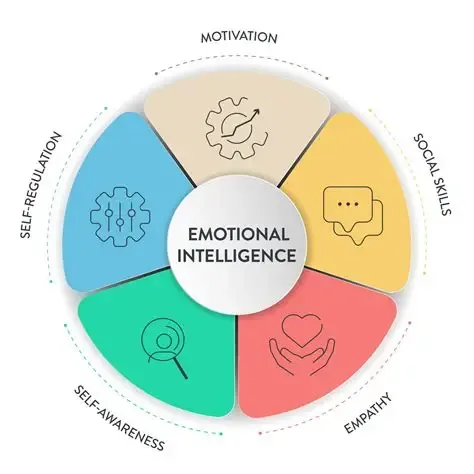
Emotional intelligence shapes how we meet ourselves and one another.
Emotional intelligence is more than a personal development trend — it is a wellness framework, a behavioral stabilizer, and one of the most transformative forms of self-leadership available to us. When we understand our emotions, we understand our needs. When we regulate our emotions, we regulate our lives. And when we apply emotional intelligence consistently, we strengthen our mental clarity, physical health, relationships, and overall stability.
Awareness is the beginning of flourishing.
Emotions are not interruptions to life — they are life. They shape how we interpret experiences, how we respond to challenges, how we connect with others, and how we care for ourselves. Emotional intelligence (EI) is the skill of understanding, managing, and using emotions in ways that support wellness rather than disrupt it.
Every emotion carries information:
When we ignore emotional data, we operate blindly. When we interpret it accurately, we make healthier decisions. You can explore this further through emotional regulation or self-awareness.
Emotions carry information that can guide our care.
Emotions are not random. They are signals — internal messages that tell us what we need, what we fear, what we value, and what we must pay attention to. Emotional intelligence (EI) is the ability to read those signals accurately and respond in ways that support your mental, physical, and relational wellness.
Emotional intelligence strengthens mental wellness by helping you regulate thoughts, reduce emotional overload, and build resilience.
The mind and body are deeply connected. Emotional strain creates physical symptoms such as:

When emotions stay trapped in the body, wellness declines. EI helps release emotional tension before it becomes physical discomfort.
Emotions are signals that can guide how we care for ourselves.
The ability to identify emotions, understand triggers, and recognize how feelings influence behavior.
Managing emotions in real time, preventing impulsive reactions, and maintaining internal balance.
Understanding and respecting the emotions of others, which strengthens relationships and communication.
Navigating interactions with emotional clarity, confidence, and compassion.
These pillars form the foundation of emotional stability and personal wellness.
Research shows that emotional intelligence:
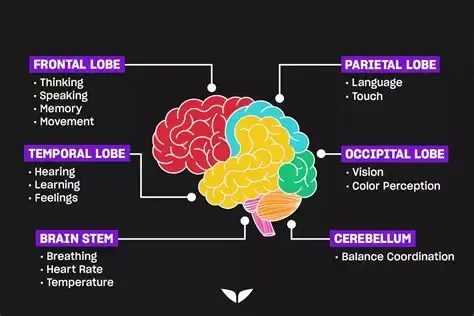
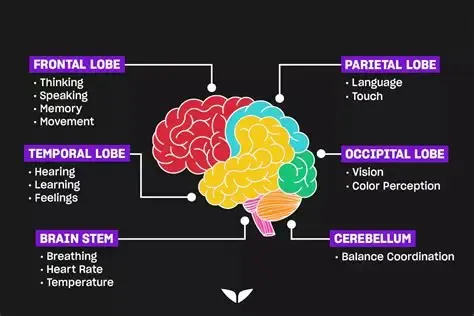
EI activates the prefrontal cortex — the part of the brain responsible for decision-making, problem-solving, and emotional regulation. When EI is low, the amygdala (the emotional alarm system) dominates, leading to reactive behavior.
Understanding this science helps individuals see EI not as a personality trait but as a trainable skill.
Emotional intelligence is a skill we can strengthen.
Below are actionable practices that readers can begin today.
Labeling emotions reduces intensity and increases clarity. Instead of “I’m upset,” try “I’m overwhelmed because I feel unsupported.”
A 5–10 second pause interrupts impulsive reactions and allows space for thoughtful responses.
Writing down emotional spikes reveals patterns and helps identify root causes.
Ask: “Where am I tense? What emotion might be stored here?” This reconnects emotional and physical awareness.
This reduces conflict and increases emotional clarity. Example: “I feel unheard when decisions are made without me.”
The more words you have for emotions, the easier they are to manage.
Professionals help identify emotional patterns, trauma responses, and regulation techniques.
Listen to understand, not to respond. This strengthens relationships and reduces emotional friction.
Boundaries protect emotional energy and prevent burnout.
A simple morning or evening check-in keeps emotions from piling up.
Small daily practices build emotional strength.
When emotional intelligence becomes a lifestyle:
EI is not about perfection — it is about awareness, honesty, and intentional growth.
Emotional intelligence is the foundation of mental clarity, physical wellness, and behavioral stability. It is the skill that helps people understand themselves, connect with others, and navigate life with strength and grace. When individuals commit to developing EI, they unlock a deeper level of wellness that transforms how they think, feel, and live.
Emotional intelligence supports a stronger, steadier life.

Beauty tip: make broad-spectrum sunscreen a daily skincare essential to help protect your skin from UV exposure.
Everyday protection is an act of care.
Sunscreen is the single most powerful product in skincare — more effective than any serum, moisturizer, or mask. It protects your skin from premature aging, discoloration, inflammation, and long-term damage. If you want healthy, glowing, youthful skin, sunscreen is non-negotiable.
This feature breaks down why SPF matters, what level you should use, and how to apply it correctly so your readers can build a strong, protective skincare routine.
Sun exposure is responsible for up to 90% of visible skin aging. That includes fine lines, wrinkles, dark spots, uneven tone, loss of elasticity, and rough texture.
UV rays also trigger inflammation, break down collagen, and increase the risk of skin cancer. Even on cloudy days, up to 80% of UV rays still reach the skin. Sunscreen is your first line of defense — and the foundation of long-term skin health.
SPF stands for Sun Protection Factor, and it measures how well sunscreen protects against UVB rays, the rays that burn the skin.
Always choose broad-spectrum sunscreen. It protects against UVB rays (burning) and UVA rays (aging). UVA rays penetrate deeper into the skin and cause long-term damage like wrinkles and collagen breakdown. Broad-spectrum sunscreen shields you from both.
Mineral sunscreen contains zinc oxide or titanium dioxide. Benefits include being gentle on sensitive skin, starting to work immediately, and being suitable for children and reactive skin types.
Chemical sunscreen contains ingredients like avobenzone or octisalate. It is lightweight, invisible, blends easily, and works well for daily wear and makeup routines.
Daily SPF is a simple act of care for your future skin.
Choose SPF 50+ if you have hyperpigmentation, use retinol or exfoliants, have sensitive or reactive skin, spend long hours outdoors, or live in sunny climates.
These make reapplication easier over makeup.
Sunscreen is the most important product in skincare — more effective than any serum, mask, or moisturizer. It protects your skin from premature aging, discoloration, inflammation, and long-term damage. If you want healthy, glowing, youthful skin, sunscreen is your daily non-negotiable.
This guide breaks down everything you need to know: SPF levels, benefits, product recommendations, and routines tailored to every skin type.
SPF (Sun Protection Factor) measures how well sunscreen protects against UVB rays, the rays responsible for sunburn and skin cancer.
Always choose broad-spectrum sunscreen — it protects against UVB (burning) and UVA (aging). UVA rays penetrate deeper, causing wrinkles, collagen breakdown, and long-term damage.
Sunscreen is the foundation of every beauty routine. It protects, preserves, and enhances your skin’s natural radiance. When used daily — and correctly — SPF becomes the most powerful anti-aging and skin-health tool you own. If you want long-lasting radiance, SPF is your daily non-negotiable.
Protect, preserve, and let your skin’s radiance shine.

There is a quiet power in starting small. A dignity. A resilience. A truth that many entrepreneurs don’t talk about enough: some of the strongest businesses are born from limited resources, deep determination, and a vision that refuses to die.
You don’t need a trust fund, a perfect office, or a pile of startup cash. You need clarity. You need courage. You need consistency. And you need a plan that honors where you are while guiding you toward where you’re going.
This is a dignity-first guide to building a business with little to no capital — written for the entrepreneur who is ready to rise, even if they’re starting from the ground.
Starting with limited capital forces you to build with intention. It teaches you to:
There is dignity in that. There is strength in that. There is legacy in that.
Many of the world’s most impactful entrepreneurs began with nothing but a skill, a dream, and a willingness to work.
These pathways honor your reality while opening the door to possibility.
Service businesses are built on skill, not inventory — making them the most accessible for low-capital entrepreneurs.
Examples: beauty services, coaching or consulting, event planning, cleaning services, graphic design, photography, and social media management.
Why this honors dignity: You’re monetizing your gifts, your experience, your hands, your creativity — not your bank account.
Digital products allow you to build wealth without physical inventory. Examples: e-books, templates, online courses, digital planners, and printables.
Why this honors dignity: Your knowledge becomes your currency.
Freelancing is one of the fastest ways to start earning with no upfront cost. Examples: writing, web design, virtual assistance, branding, editing, and marketing.
Why this honors dignity: You get paid for your expertise, not your equipment.
A small beginning can hold a powerful future.
Reselling is a powerful way to generate capital quickly. Examples include clothing, furniture, electronics, and vintage items.
Why this honors dignity: You transform what you have into what you need.
Your phone becomes your storefront. Examples: influencer marketing, content creation, affiliate marketing, and TikTok shops.
Why this honors dignity: Your story becomes your brand.
Examples: natural skincare, hair oils, body butters, candles, and wellness teas.
Why this honors dignity: You build from your culture, your craft, your hands, your heart.
Starting lean is powerful. But when you’re ready to scale, your business plan becomes your voice in rooms you haven’t entered yet.
A detailed business plan shows funders:
A business plan is not just paperwork — it is dignity on paper. It is your vision translated into structure. It is your future written with intention.
Structure gives a worthy vision room to grow.
Your mission, your vision, your promise.
Who you serve and why your business matters.
Your industry, your competitors, your advantage.
How you make money.
How you attract and retain customers.
Your workflow, systems, and daily structure.
Your projections, pricing, and break-even point.
How much you need and how it will be used.
Starting a business with little to no capital is not a disadvantage — it is a story of dignity, resilience, and resourcefulness. You begin lean, you grow smart, and you rise with intention. The key is choosing the right business model, using free tools, and creating a detailed business plan when you’re ready to seek funding.
You don’t need money to start. You need courage. You need clarity. You need consistency. And you need a plan that honors your journey.
Begin with courage. Grow with a plan.

Nature’s sweetness, nourishing the body.
Fruits are more than colorful snacks — they are living medicine. Packed with vitamins, minerals, antioxidants, fiber, and hydration, fruits support nearly every system in the body. When eaten consistently, they improve digestion, boost immunity, enhance skin health, and help regulate energy levels.
This section explores the benefits of fruits and how they elevate everyday nutrition.

Fruits deliver nutrients in their purest form. They are naturally hydrating, rich in antioxidants, high in fiber, low in fat, and packed with essential vitamins. They nourish the body gently and effectively, making them ideal for daily wellness.

A colorful plate can be a generous act of care.
Oral health is often overlooked, yet it is one of the most important pillars of overall wellness. The mouth is the gateway to the body — and when it’s not healthy, the rest of the body suffers.
This section explores how proper dental and oral care impacts systemic health, energy levels, inflammation, and long-term wellness.

Your mouth is home to millions of bacteria. When oral hygiene is neglected, harmful bacteria multiply, leading to infections that can travel through the bloodstream and affect major organs.
Explore: oral hygiene basics
Oral wellness supports whole-body wellness.
Explore: gum disease

Explore: oral health benefits
Healthy oral care supports the body in many ways.
Explore: oral care routine

Explore: dental care tips
Nutrition and oral health are deeply connected to overall wellness. Fruits nourish the body from the inside out, while proper dental care protects the body from inflammation, infection, and chronic disease. Together, they form a powerful foundation for long-term health, energy, and vitality.
Care for your mouth, and care for your whole body.

London is not just a destination — it’s a personality. A rhythm. A world layered with history, diversity, creativity, and quiet elegance. It’s a city where centuries-old cathedrals stand beside glass towers, where cultures blend, and where every street feels like a story waiting to be told.
A city that hums, whispers, and invites you in.
London’s character is defined by contrast — and that contrast is its charm.
Explore more: London culture


London’s culture is a tapestry woven from royal heritage, immigrant influence, artistic expression, and everyday life.
Explore: London neighborhoods
History and possibility share the same streets.
London’s food scene is one of the most diverse in the world. You can taste the globe without leaving the city.
Fish & chips · Sunday roast · Shepherd’s pie · Afternoon tea
Borough, Camden, and Brick Lane markets offer fresh produce, artisan pastries, international street food, and handmade treats.
Explore: London food

Explore: living in London
Every neighborhood offers a new way to belong.

New York City is a place that doesn’t simply exist — it performs. It’s loud, layered, unapologetic, and alive: a global stage where cultures collide, creativity thrives, and everyday life feels cinematic.
A city built on movement, community, resilience, and pride.
NYC is a mosaic of people, languages, foods, and dreams. It’s a city built on movement — trains rushing underground, taxis weaving through traffic, crowds flowing like rivers through Manhattan streets. Yet beneath the intensity is a deep sense of community, resilience, and pride.

Every borough carries its own story.
New York City is one of the most diverse food destinations in the world.

Pizza slices · Bagels · Cheesecake · Hot dogs
Chelsea Market · Smorgasburg · Essex Market. NYC tastes like the world — bold, flavorful, and unforgettable.
New York tastes like the world.

This is why NYC is the most natural comparison — not because it mirrors London, but because it matches London’s impact.
Two distinct cities, each with a global heartbeat.
Short Pump · Glen Allen · Richmond area
Your closest major fashion hub
Why Carytown works: It’s Richmond’s fashion heartbeat — eclectic, creative, and full of personality.
Style and self-expression, close to home.
Tysons is the largest fashion district in Virginia, offering affordable and contemporary designer houses.
These are not luxury-priced and are accessible online or through pop-ups in Virginia.
Find the places and designers that reflect you.
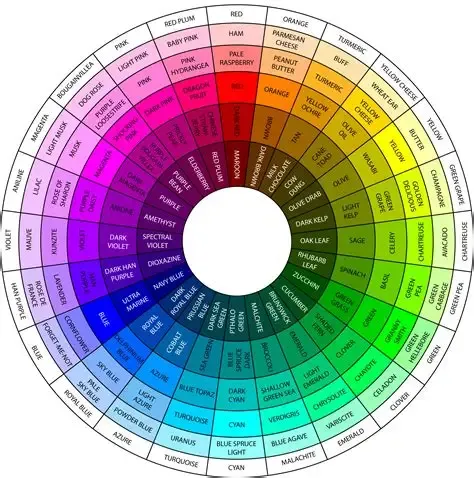
How fashion colors work together — and why they matter.
Color becomes a language when you pair it with intention.
Color is one of the most powerful tools in fashion. It shapes mood, communicates personality, and transforms simple outfits into statements. When colors are paired intentionally, they create harmony — a visual rhythm that feels balanced, stylish, and expressive.
Some colors complement each other because of contrast. Others blend because of shared undertones. And some pairings work because they evoke emotion, culture, or seasonality. Below is a curated guide to fashion color pairings, why they work, and how to style them.
Color pairing influences mood, perception, body balance, outfit cohesion, seasonal styling, and cultural expression. The right color combination can elevate an outfit from simple to stunning.
Explore more: color theory

A soft earth tone meets a warm, bold accent. Sage is calming, muted, and neutral; mustard is warm, energetic, and rich. Together they create a grounded yet vibrant palette.
Style with sage trousers and a mustard blouse, mustard accessories with sage outerwear, or a sage dress and mustard heels.
Explore: sage color styling
Soft coolness meets deep warmth. Light blue is airy, fresh, and serene; chocolate is rich, earthy, and stabilizing. The contrast creates balance — like sky meeting soil.
Style a light blue button-down with chocolate trousers, a chocolate coat with a baby blue scarf, or a light blue dress with chocolate boots.
Explore: blue color styling
Contrast and undertone make a palette feel balanced.

Romantic softness meets natural strength. Blush is feminine, gentle, and warm; olive is earthy, bold, and grounded. Pair olive cargo pants with a blush top, a blush blazer with an olive dress, or an olive coat with blush accessories.
Explore: pink color styling
Classic sophistication with warm luxury. Black is timeless, sleek, and powerful; camel is warm, elegant, and neutral. Together they create a polished aesthetic. Try a camel coat with a black turtleneck, black trousers with a camel sweater, or a camel dress with black boots.
Explore: neutral styling

Burgundy is bold, romantic, and dramatic; navy is calm, structured, and refined. They share depth, creating harmony without clashing. Style a navy suit with a burgundy tie, a burgundy sweater with a navy skirt, or a navy coat with a burgundy bag.
Explore: navy styling
Classic tones create polish without losing warmth.

Cream is warm, soft, and elegant; forest green is rich, bold, and earthy. Together they feel organic, luxurious, and timeless. Try a cream knit with forest trousers, a forest coat with a cream dress, or cream accessories with forest outerwear.
Explore: green styling
Charcoal is sleek, modern, and grounding; dusty rose is soft, vintage, and warm. Try a charcoal suit with a dusty rose blouse, a dusty rose dress with charcoal boots, or a charcoal coat with a dusty rose scarf.

Explore: seasonal color theory
Choose a palette that feels like you.
Color pairing is the heartbeat of fashion. It shapes mood, communicates identity, and transforms simple outfits into statements. This expanded chart brings together complementary combinations, undertones, emotional impact, and styling notes.

A chart of possibilities, with room for personal style.
Fashion is seasonal not just because of weather — but because color carries emotional rhythm. Each season has its own energy, its own mood, and its own palette. When you dress in harmony with the season, your style feels intentional, elevated, and expressive.
Spring colors are gentle, airy, and full of renewal. Pastels like lavender, mint, baby blue, and blush; soft neutrals like cream, ivory, and light gray; and fresh greens like sage and pistachio reflect blooming flowers and soft sunlight. Light tones feel uplifting and feminine.
Best pairings: Mint + White · Lavender + Gray · Blush + Olive · Baby Blue + Beige
Explore: spring color theory
Brights like yellow, coral, turquoise, and fuchsia; crisp neutrals like white, sand, and navy; and tropical tones like lime, teal, and mango carry summer’s joyful energy and movement.
Best pairings: Royal Blue + Yellow · Coral + White · Turquoise + Tan · Fuchsia + Navy
Explore: summer color theory
Dress in rhythm with the season.
Mustard, terracotta, olive, and rust; chocolate, camel, and charcoal; burgundy and forest green reflect changing leaves and golden sunsets. These tones feel comforting and grounded.
Best pairings: Sage + Mustard · Chocolate + Light Blue · Camel + Black · Forest Green + Cream
Explore: fall color theory
Navy, emerald, charcoal, and silver; jewel tones like ruby, sapphire, and amethyst; and crisp black-and-white contrasts bring drama and clarity.
Best pairings: Navy + Burgundy · Emerald + Gold · Charcoal + Dusty Rose · Black + White
Explore: winter color theory
Color pairing is more than fashion — it’s psychology, emotion, and storytelling. When you understand undertones, seasonal palettes, and complementary contrasts, your style becomes intentional, expressive, and elevated.
Your color-pairing chart gives you the “what.” Your seasonal palette guide gives you the “when.” Together, they give you the power to style with confidence and clarity.
Style with confidence, clarity, and expression.
HERSTORY is a space for women to be seen, supported, and inspired.
Empowered Women. Empower the World.
See you in the next chapter.
Scroll the open page with the arrows, then swipe or use left and right arrows to turn it.
There is always more to your story.