
HERSTORY · ISSUE 4 / 20261 / 83
Woman2Woman presents
A digital feature magazine
HEALING BEYOND THE STIGMA
HERSTORY
Eronmwon Balogun
Reimagining mental health care.
Empowered Women. Empower the World.
Autumn / Winter 2026
Healing beyond the stigma.
A conversation with Eronmwon Balogun on reimagining mental health care with compassion, culture, and connection.
Meet Eronmwon Balogun, the psychiatric nurse practitioner rebuilding trust in mental health care.
Listen at your pace
Ready when you are.
Uses the most natural female voice available on your device.
Read-aloud is not available in this browser, but the page is still here for you to read.
Woman2Woman presents
A digital feature magazine
HEALING BEYOND THE STIGMA
Eronmwon Balogun
Reimagining mental health care.
Empowered Women. Empower the World.
Autumn / Winter 2026
A conversation about stigma, access, listening, and the courage it takes to ask for support.
Issue 4 brings together stories of healing, wellbeing, style, and adventure.
Welcome to HERSTORY Issue 4 — an issue about the conversations so many of us were taught not to have.
I am honoured to open this issue with Eronmwon Balogun, a board-certified Psychiatric Mental Health Nurse Practitioner and the founder of Trinity May Behavioral Health. Her story begins in Nigeria, winds through an inpatient psychiatric unit, and arrives at a practice built on education, dignity, and listening.
May her words remind you that reaching for support is not weakness, that rest is not failure, and that healing can begin with one honest conversation.
Empowered Women. Empower the World.
By Cherriell Orius
Care begins where judgment ends.

In many communities, mental health struggles are not discussed. They are endured.
Pain is hidden behind strength. Anxiety is mistaken for weakness. Depression is dismissed as something to "pray away." And for generations, many people, particularly in Black and immigrant communities, have learned to survive rather than seek support.
For Eronmwon Balogun, a board-certified Psychiatric Mental Health Nurse Practitioner and founder of Trinity May Behavioral Health, changing that narrative has become both a profession and a personal mission.
Speaking on Woman to Woman with Sherry Orius, Balogun shared a powerful vision for mental health care rooted not just in clinical expertise, but in compassion, cultural understanding, education, and human connection.
"I wanted to be a representation," she says. "Not just for Black women, but for the Black community in general."
Balogun's earliest experiences with mental illness came long before medical school or psychiatric training.
Raised in Nigeria before moving to the United States at age 12, she recalls seeing people in obvious distress wandering the streets, talking to themselves, searching through dumpsters for food. Yet no one around her called it mental illness.
"They were just called crazy," she remembers.
There were few conversations about psychiatric conditions, trauma, or treatment. Individuals struggling with mental illness were often misunderstood, ostracized, or abandoned rather than supported.
That early exposure planted a seed of curiosity.
"I would look at them and wonder, 'What happened? What's going on?' But nobody ever really explained to me."
Years later, after becoming a nurse, that curiosity returned. While many colleagues warned her against pursuing psychiatric nursing because of its challenges, she felt drawn toward the very area that intimidated her most.
"Sometimes your fears are connected to your purpose," she reflects.
It was during a year working on an inpatient psychiatric unit that everything became clear.
"I got to hear people's stories," she says. "And it pulled out so much compassion inside of me. I realized these individuals needed representation. They needed someone to advocate for them."
For someone responsible for supporting others through emotional crises, alignment begins from within.
When asked what being "well aligned" means in this season of her life, Balogun's answer doesn't focus on achievement or productivity. Instead, it centers on boundaries.
To serve her patients effectively, she believes she must first care for herself.
"It means being in a good mental state," she explains. "It means setting boundaries and making sure I'm well enough to be fully present."
Her philosophy is simple but profound: caregivers cannot pour from an empty cup.
"I take care of myself first so that I can align with my patients."
Caregivers cannot pour from an empty cup.

The creation of Trinity May Behavioral Health wasn't driven by entrepreneurship alone. It emerged from Balogun's desire to fill a gap she observed repeatedly throughout her career.
That gap, she says, is education.
"One of the biggest things missing is understanding what mental health actually is."
Far too often, individuals don't seek help because they lack information. Misunderstandings and stigma create barriers before treatment is ever considered.
Balogun envisioned a practice that would not only provide care but also educate communities about mental health in ways that feel accessible, respectful, and culturally relevant.
At the heart of the practice is a simple conviction: mental health care should meet people where they are, in language they recognize, with respect they can feel.
That conviction shapes everything Trinity May Behavioral Health offers, from the first phone call to the ongoing work of care.

Contact the practice
Eronmwon Balogun, PMHNP-BC, founder of Trinity May Behavioral Health, serves adolescents and adults. The practice can be reached at 609-955-3814 or info@trinitymaybehavioralhealth.com.
Although Trinity May Behavioral Health serves both adolescents and adults, Balogun feels particularly passionate about reaching young people early.
The teenage years are often filled with identity questions, emotional changes, social pressures, and emerging mental health challenges.
Many adolescents struggle silently.
"They're experiencing all these different emotions and often don't understand what's happening to them," she says.
By meeting young people during those formative years, she hopes to equip them with tools, self-awareness, and support systems that can shape healthier futures.
"If we can capture them at that time and provide education and support, they become better adults."
Her work frequently reveals struggles that remain hidden beneath the surface of adolescence.
"They feel embarrassed. They don't think they're cool enough. They're dealing with things internally and not talking about them."
Creating space for those conversations, she believes, can change the trajectory of a life.
Balogun readily embraces evidence-based practice, but she is equally clear that clinical frameworks alone are not enough.
Mental health treatment cannot be one-size-fits-all.
"We see people from different cultures, different value systems, and different beliefs," she explains.
Her approach combines science with cultural humility. Before creating treatment plans, she works to understand the individual sitting in front of her.
"What are their beliefs? How do they view the world? What experiences shape how they understand their symptoms?"
Only then can care become truly personalized.
Listening, she says, is often the most powerful intervention of all.
In fact, some of the most meaningful feedback she receives from patients has nothing to do with medication.
"It's when they tell me, 'I felt like I could talk to you.'"
For many individuals, having someone who genuinely listens can become the first step toward healing.
"Sometimes people don't just need medication. Sometimes they need someone to hear them."
Eronmwon Balogun, PMHNP-BC, Founder of Trinity May Behavioral Health
Mental health recovery rarely happens overnight.
Balogun resists the notion that success is defined only by dramatic transformations. Instead, she celebrates incremental progress.
She recalls one patient battling severe anxiety who felt incapable of moving forward in life.
After exploring her fears together, Balogun encouraged her to try something she had avoided for years: learning to drive.
The idea terrified her.
Yet step by step, the patient began practicing with family support.
Eventually, she scheduled her driver's test.
For others, passing a driving exam might seem ordinary. For this patient, it represented independence, confidence, and hope.
"She started doing something for herself," Balogun says. "And as she did that, her anxiety began to come down."
Healing often begins with moments exactly like these.
As a Black woman in healthcare leadership, Balogun acknowledges encountering stereotypes and assumptions throughout her career.
Sometimes patients question her credentials before they've even met her.
"People wonder if you really know what you're talking about," she says.
Questions about where she studied or whether she is qualified sometimes carry an unspoken message: prove yourself.
Yet she refuses to allow those perceptions to define her.
"I trust myself," she says.
More importantly, she lets her work speak for itself.
"Usually by the end of the session, they feel differently."
Among the misconceptions Balogun most wants to dismantle is the idea that women who struggle emotionally are somehow failing.
"We often assume women should be able to do everything," she explains.
Women frequently manage careers, households, caregiving responsibilities, relationships, and countless invisible burdens.
When they reach a breaking point, society too often labels them as weak, emotional, or incapable.
Balogun disagrees completely.
"A woman having a mental health breakdown doesn't mean she's lazy," she says. "It means she truly needs rest."
That message is especially important in cultures where self-sacrifice is celebrated and self-care is viewed as selfish.
"You can't keep showing up for everyone else while ignoring yourself."
Though she describes herself as less traditionally religious than in her youth, Balogun remains deeply spiritual.
When life's pressures intensify, she turns inward.
She believes silence, reflection, prayer, and meditation provide clarity when answers feel elusive.
"I spend a lot of time asking, 'What am I supposed to do with this?'"
Rather than trying to control every outcome, she relies on guidance that emerges through stillness.
For her, spirituality is less about certainty and more about trust.
"We don't always have control," she says. "We have to listen."
For many marginalized communities, seeking mental health treatment means confronting generations of mistrust.
Historical inequities, cultural stigma, financial barriers, and negative healthcare experiences all contribute to skepticism.
Balogun doesn't dismiss those concerns.
Instead, she validates them.
"If someone feels that healthcare hasn't listened to them, that's their experience," she says.
Trust, she believes, is not demanded. It is earned.
It develops through consistent relationships, respect, and genuine care.
As patients begin to feel seen rather than judged, those walls slowly come down.
When discussing barriers to care, Balogun repeatedly returns to one issue: access.
Many people know they need help.
They simply cannot afford it.
High deductibles, inadequate insurance coverage, and limited access to providers create obstacles that keep people from receiving treatment.
"The help exists," she says. "But sometimes people can't get to it."
For that reason, she believes meaningful mental health reform must include conversations about affordability and equitable access.
The help exists. Sometimes people just can't get to it.
What would truly equitable mental health care look like?
For Balogun, it begins with dignity.
Dignity means recognizing that people deserve respect even when their struggles are difficult to understand.
It means replacing labels with curiosity.
It means acknowledging that every person's reality matters.
"We are all human beings," she says. "People deserve to feel heard."
Education must also play a central role. The more communities understand mental health, the more likely individuals are to seek support before they reach a crisis point.
"Education reduces stigma," she says. "And it helps people know where to go for help."
Balogun's long-term vision extends far beyond her current practice.
She hopes to build a diverse team of professionals who share her values and can bring culturally informed mental health services directly into underserved communities.
She envisions practitioners who not only provide treatment, but also serve as trusted advocates and visible role models.
"I can't change the whole world," she says. "But I can help one person at a time."
And she believes those individuals can carry healing forward into their families, neighborhoods, and communities.

As the conversation came to a close, Balogun offered a message to women carrying unseen burdens.
You are not alone.
What you're experiencing is real.
And you do not have to carry it by yourself.
"Get out there and find someone you can talk to," she says. "Someone who can help."
It is a simple message, yet one that reflects the heart of her work.
Healing does not begin with perfection.
It begins with being seen.
And sometimes, it begins with the courage to say, "I need support."

By Cherriell Orius
In a culture that celebrates busyness, productivity, and constant achievement, rest is often treated as a luxury rather than a necessity. We wear exhaustion like a badge of honor, answer emails during vacations, and convince ourselves that slowing down is somehow falling behind.
Yet the human body was never designed to operate at full speed indefinitely.
Rest is not laziness. It is maintenance.
Just as a vehicle cannot continue running without fuel, oil changes, and repairs, neither can the mind, body, and soul continue pouring into others without intentional periods of renewal. Whether it is a week on a tropical beach, a weekend retreat, or a simple staycation at home, stepping away from life's demands is one of the healthiest investments we can make in ourselves.
Science confirms what many spiritual traditions have long understood: healing often happens in stillness.
Modern life bombards us with information. Notifications, deadlines, responsibilities, family demands, and social pressures keep our brains in a near-constant state of stimulation.
When this continues without interruption, the nervous system struggles to shift out of "survival mode."

Research from the American Psychological Association has found that taking time away from work reduces stress, improves mood, increases energy levels, and boosts motivation and productivity when individuals return to their daily responsibilities. Many people report feeling mentally refreshed and emotionally restored after even a brief period of rest.
Mental rest allows the brain to:
- Process emotions more effectively
- Improve concentration and focus
- Increase creativity and problem-solving abilities
- Reduce anxiety and mental fatigue
- Improve decision-making skills
Have you ever noticed that answers often come when you're no longer actively searching for them?
That is not a coincidence.
When we step away from constant demands, the brain enters a more restorative state that allows deeper thinking, creativity, and insight to emerge.
Sometimes the breakthrough isn't found by working harder. Sometimes it is found by finally taking a break.
Many people view vacations as indulgences. Research suggests they should actually be viewed as preventive healthcare.
One of the most widely cited studies on vacation and health followed middle-aged men over several years and found that those who took regular vacations were significantly less likely to die from cardiovascular causes than those who rarely took time away from work. Frequent vacationers experienced substantially lower risks related to heart disease and heart attacks.
Additional research has found that people who take vacations more frequently show lower risk factors associated with metabolic syndrome, which includes conditions such as high blood pressure, elevated blood sugar, and unhealthy cholesterol levels. These factors are strongly connected to cardiovascular disease.
In simple terms:

Rest is not simply an emotional experience. It triggers measurable biological changes throughout the body.
When we relax, the parasympathetic nervous system becomes more active. Often referred to as the "rest and digest" system, it helps slow the heart rate, lower blood pressure, improve digestion, conserve energy, and promote healing and recovery throughout the body. Practices such as meditation, controlled breathing, and relaxation techniques have been shown to activate this vital system.
The physical benefits include:
Relaxation decreases the production of stress hormones such as cortisol. Chronic elevations in cortisol are linked to anxiety, inflammation, sleep disturbances, weight gain, and weakened immune function. Taking breaks from routine stressors helps the body reset.
Periods of relaxation often help restore healthy sleep patterns. Better sleep allows the brain to consolidate memories, regulate emotions, repair tissues, and strengthen immune defense.
Chronic stress keeps the body in a constant state of physiological alertness. Relaxation helps lower blood pressure and supports healthier cardiovascular function.
Many people carry stress physically in their shoulders, back, neck, jaw, and hips. Rest, gentle movement, massage, and relaxation techniques help release this tension and reduce physical discomfort.
Not everyone can afford an all-inclusive resort or a cross-country adventure. Fortunately, research suggests that the restorative benefits of time off do not depend entirely on travel.
A staycation can be just as powerful if approached intentionally.
Mental recovery happens when we create distance from our routine stressors, not necessarily when we travel thousands of miles away. Psychologists note that any meaningful break from everyday responsibilities can provide physical and emotional restoration.
A successful staycation might include:
- Turning off work notifications
- Limiting social media
- Sleeping without an alarm
- Spending time in nature
- Reading for pleasure
- Enjoying hobbies
- Taking long walks
- Practicing mindfulness or meditation
- Scheduling a spa day or massage
- Spending uninterrupted time with family
The goal is not escape.
The goal is restoration.

One of the most overlooked benefits of rest is its impact on our relationships.
Exhausted people often become impatient, emotionally reactive, disconnected, and overwhelmed. Chronic stress makes it difficult to be fully present with spouses, children, friends, and coworkers.
When we are rested, we are able to:
- Listen more effectively
- Respond instead of react
- Show greater patience
- Demonstrate more compassion
- Engage more fully in relationships
Simply put, rested people love better.
We speak more kindly, parent more intentionally, and show up more authentically when our own emotional tanks are full.
While science can measure stress hormones and blood pressure, there is another dimension of rest that cannot always be quantified.
The soul needs replenishment.
Many people spend years functioning from obligation, performing responsibilities, meeting expectations, and pushing through exhaustion. Eventually, they begin to feel disconnected from themselves.
True rest reconnects us with who we are beneath our responsibilities.
It creates room for:
- Reflection
- Prayer
- Meditation
- Gratitude
- Creativity
- Self-discovery
- Emotional healing
Researchers at the University of California, San Francisco recently described what they call "deep rest," a profoundly restorative state achieved through activities such as nature immersion, hobbies, meditation, prayer, and contemplative practices. They suggest that deep rest promotes biological and psychological renewal beyond what ordinary relaxation provides.
In many cases, what we call burnout is not simply exhaustion.
It is disconnection.
And rest is often the bridge back to ourselves.
There is a reason flight attendants instruct passengers to secure their own oxygen masks before assisting others.
You cannot save someone else if you cannot breathe.
The same principle applies to life.
Mothers cannot endlessly nurture without nurturing themselves.
Caregivers cannot continually give without receiving.
Leaders cannot inspire while running on empty.
Professionals cannot serve at their highest capacity while chronically depleted.
Rest allows us to replenish our emotional, physical, mental, and spiritual reserves so that we can return stronger, healthier, and more present for the people who depend on us.
Far from being selfish, rest is one of the most generous things we can do.
Because when we restore ourselves, everyone connected to us benefits.
Perhaps the greatest misconception about rest is that it is time lost.
In reality, rest is an investment.
An investment in clearer thinking.
An investment in better health.
An investment in stronger relationships.
An investment in emotional resilience.
An investment in longevity.
An investment in the quality of your life.
So whether your next retreat is an international vacation, a weekend getaway, or a staycation in your own backyard, grant yourself permission to pause.
Rest isn't what happens after the important work is finished.
Rest is part of the work.
And sometimes, the most productive thing you can do is simply be still long enough to heal.

By Cherriell Orius
Beautiful nails have long been considered a symbol of self-care, confidence, and personal style. From elegant French manicures to intricate nail art designs that transform fingertips into miniature masterpieces, nail care is about much more than appearance. It is a form of self-expression, relaxation, and wellness that benefits the mind and body alike.
While many people view manicures and pedicures as luxury beauty treatments, they also offer surprising health benefits. Beyond polished nails and creative designs, regular nail care can support circulation, encourage healthy skin renewal, reduce stress, and provide an opportunity for meaningful self-care.
Nail art has evolved into a thriving beauty trend that allows individuals to showcase their personality through color, texture, patterns, and design.
Whether it's:
- Classic nude elegance
- Bold seasonal colors
- Floral designs
- Metallic finishes
- Hand-painted artwork
- Crystal embellishments
- Minimalist geometric patterns

Nail art allows creativity to shine while complementing a person's fashion style and overall appearance.
Well-maintained nails also communicate attention to detail and can enhance confidence in both personal and professional settings.
But beneath the polish lies something even more valuable: healthy nails.
Healthy nails are often a reflection of overall wellness.
Routine manicures and pedicures help maintain:
- Proper nail growth
- Healthy cuticles
- Hydrated skin
- Reduced nail breakage
- Improved nail strength
- Prevention of ingrown nails
- Early detection of nail abnormalities
Regular maintenance allows nail technicians and individuals to identify potential concerns such as fungal infections, discoloration, brittleness, or unusual nail growth before they become more serious.
One of the most overlooked benefits of a professional manicure is the hand and forearm massage that typically accompanies the service.
During a manicure, massage techniques stimulate circulation by encouraging blood flow to the hands and fingers.
Improved circulation can help:
- Deliver oxygen and nutrients to tissues
- Support healthy nail growth
- Reduce stiffness in joints
- Relieve tension in hands and wrists
- Promote relaxation throughout the body
Because the hands perform repetitive tasks daily, they often accumulate tension and fatigue. Massage increases blood flow to these overworked muscles and soft tissues, helping them relax and recover.
Over time, this enhanced circulation contributes to healthier-looking skin and stronger nails.
Our feet carry us through thousands of steps each day, yet they are often the most neglected part of the body.
A professional pedicure does much more than beautify the toes.
The exfoliation process removes dead skin cells, helping reveal softer, healthier skin underneath. Foot massages stimulate circulation, which is especially beneficial for individuals who spend long hours sitting, standing, or wearing restrictive footwear.
Improved circulation in the feet may help:
- Reduce swelling
- Increase oxygen delivery to tissues
- Relieve muscle tension
- Enhance comfort and mobility
- Support overall foot health
The warm water soak often included in a pedicure further encourages relaxation by increasing blood flow and softening the skin.

For many people, a monthly pedicure serves as both a beauty treatment and a wellness ritual.
One significant benefit of manicures and pedicures is their role in supporting healthy skin renewal.
Throughout life, the body naturally sheds old skin cells and produces new ones. Exfoliation treatments used during nail services help remove dead skin from the hands and feet, allowing fresher skin to emerge.
This process can:
- Improve skin texture
- Enhance skin softness
- Promote a smoother appearance
- Increase effectiveness of moisturizers
- Support healthy cell turnover
When paired with nourishing creams, oils, and hydration treatments, the skin is better able to retain moisture and maintain its natural protective barrier.
The benefits of nail care extend beyond physical beauty.
Many women describe their nail appointments as a form of therapy.
For an hour or two, daily responsibilities pause.
Phones are set aside.
Work deadlines disappear.
Attention shifts inward.
The calming environment of a salon, combined with soothing hand and foot massages, encourages relaxation and stress reduction. This can help lower feelings of tension and provide a much-needed mental reset.
Beauty rituals often create a sense of routine self-care, reminding us that we deserve moments of rest and attention as well.
Sometimes a fresh manicure is not just about polished nails.
It's about polished emotions.
There is something undeniably empowering about looking down at beautifully groomed hands.
Nail care can elevate confidence in subtle but meaningful ways.
Well-maintained nails often make people feel:
- More polished
- More professional
- More put together
- More feminine
- More creative
- More confident
Nail art, in particular, becomes a visual extension of personality.
Colors and designs can reflect moods, celebrate milestones, complement seasons, or simply bring joy.
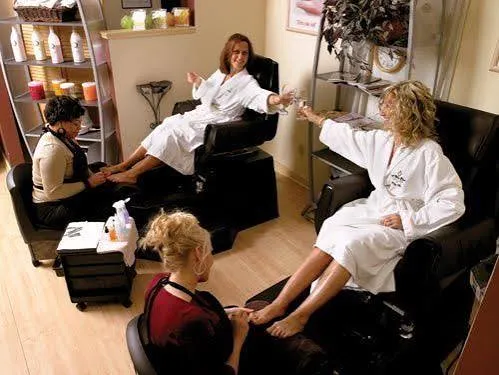
One of the greatest lessons in wellness is understanding that we cannot continuously give to others without replenishing ourselves.
Nail appointments create intentional pauses in our schedules.
They provide moments to sit still, breathe deeply, relax, and focus on our own well-being.
When we invest in self-care, we often return to our families, careers, and communities feeling:
- More refreshed
- More patient
- More energized
- More confident
- More emotionally balanced
In many ways, beauty rituals become acts of restoration.
We refill our own cup so that we can continue pouring into those around us.
Nail care is far more than a cosmetic service.
It is a wellness practice that supports healthy circulation, promotes skin renewal, encourages relaxation, boosts confidence, and provides valuable opportunities for self-care.
Whether you prefer timeless elegance, vibrant colors, or intricate nail art creations, your manicure or pedicure can be more than a beauty appointment. It can become a monthly investment in your physical health, emotional well-being, and personal confidence.
So the next time you settle into that salon chair, remember:
Beautiful nails are not simply about how they look.
They are about how they make you feel.
And feeling cared for is one of the most beautiful things of all.

By Cherriell Orius
There is a common misconception that poor financial decisions are simply the result of a lack of discipline, education, or planning. Yet behavioral scientists and psychologists have discovered something far more complex: financial scarcity itself can alter the way our minds function.
When money is tight, the challenge extends beyond balancing a budget. Financial scarcity affects attention, memory, problem-solving, emotional regulation, and decision-making. It narrows our focus, increases stress, and makes it harder to think about long-term goals.
In many ways, the struggle is not simply about having less money.
It's about how living with constant financial pressure changes the way the brain operates.
Imagine driving while staring through a narrow tunnel.
You can see what's directly in front of you, but everything to the sides disappears from view.
This is what psychologists call a "scarcity mindset."
When individuals are worried about paying rent, affording groceries, covering medications, or keeping the lights on, their mental energy becomes focused on immediate threats.
Questions like:
- How will I pay this bill?
- Can I afford gas this week?
- What happens if my hours get cut?
- How do I buy groceries before payday?
begin consuming mental bandwidth.
The brain naturally prioritizes survival over strategy.
As a result, long-term planning often takes a back seat to immediate relief.

The brain naturally prioritizes survival over strategy.
Research has consistently found that chronic financial stress increases anxiety, depression, emotional exhaustion, and cognitive overload.
When the brain perceives a threat, it releases stress hormones such as cortisol and adrenaline. These biological responses are designed to help us survive short-term danger.
The problem occurs when the danger never seems to end.
Continual financial strain keeps the nervous system activated, leaving individuals in a prolonged state of vigilance.
Over time, this can lead to:
- Difficulty concentrating
- Poor memory retention
- Mental fatigue
- Increased impulsivity
- Decision paralysis
- Sleep disturbances
- Heightened anxiety
The brain becomes exhausted from constantly calculating risks and weighing impossible choices.
Should I pay the electric bill or buy groceries?
Can I afford healthcare this month?
Should I take a second job or spend time with my family?
These are not simple decisions. They are emotionally draining calculations that must be made repeatedly.
One of the most damaging myths about financial hardship is the belief that people who struggle financially simply make bad decisions.
The reality is often the opposite.
Many highly intelligent people make short-term decisions when experiencing prolonged scarcity because mental exhaustion leaves fewer cognitive resources available for long-term planning.
When people are overwhelmed, they may:
- Delay important financial decisions
- Miss payment deadlines
- Avoid opening bills
- Make impulsive purchases for temporary emotional relief
- Accept unfavorable financial terms
- Struggle to evaluate complex options

These choices are often symptoms of stress rather than indicators of intelligence.
Financial scarcity can reduce a person's capacity to process information effectively, creating a cycle in which stress contributes to decisions that create even more stress.
Financial stress rarely stays in the wallet.
It spills into relationships, careers, parenting, and self-esteem.
Many individuals living with financial pressure experience feelings of:
- Shame
- Embarrassment
- Failure
- Guilt
- Isolation
- Hopelessness
The emotional burden can be especially heavy for parents, caregivers, and providers who feel responsible for meeting the needs of others.
Over time, self-worth can become tied to financial circumstances.
People begin saying things like:
"I should be further ahead by now."
"I failed my family."
"Everyone else seems to have it together except me."
Yet financial circumstances do not define personal value.
A difficult season does not reflect a person's worth, intelligence, character, or potential.
Money remains one of the leading sources of stress within families and relationships.
When financial pressure increases, communication often decreases.
Partners may become:
- More irritable
- Less patient
- More defensive
- More withdrawn
- More reactive
Financial stress can create tension even within strong relationships because both individuals are carrying the weight of uncertainty.
What began as a financial problem can quickly become an emotional problem.
This is why financial wellness is also relationship wellness.
The healthier we become emotionally around money, the healthier our connections can become.
One of the greatest casualties of financial scarcity is vision.
When every day feels like a crisis, it becomes difficult to imagine a future beyond survival.
Goals such as:
- Home ownership
- Investing
- Retirement planning
- Starting a business
- Pursuing higher education
can begin to feel unrealistic.
People often stop dreaming because they are too busy managing emergencies.
Yet growth requires the ability to imagine something beyond current circumstances.
Financial abundance often begins not with money itself, but with recovering the mental space required to think beyond today's struggle.
While financial challenges are real, there are ways to protect mental well-being during difficult seasons.
Uncertainty creates anxiety. Identifying small, manageable actions restores a sense of agency.
Create a budget.
Track expenses.
Build a small emergency fund.
Take one step rather than trying to solve everything at once.
Money problems often thrive in secrecy.
Trusted financial advisors, counselors, support groups, or knowledgeable friends can provide guidance and perspective.
Sometimes the greatest relief comes from realizing you are not facing the struggle alone.
Just because financial stress has a practical cause does not mean emotional support is unnecessary.
Therapy, counseling, coaching, meditation, journaling, and community support can help reduce the psychological burden of financial pressure.
Too often we focus exclusively on how far we still have to go.
Instead, acknowledge every victory:
- Paying off a credit card
- Saving the first $100
- Building a budget
- Avoiding unnecessary debt
- Learning a new financial skill
Small wins build confidence and momentum.
Many people view self-care as separate from financial health.
The truth is that they are deeply connected.
When we sleep well, manage stress, exercise regularly, and maintain supportive relationships, our brains function more effectively.
Better mental health supports better financial decisions.
Likewise, improved financial stability often reduces emotional stress.
The relationship works both ways.
Financial wellness is not simply about dollars and cents.
It is about creating enough stability to think clearly, plan strategically, and live with greater peace.
Financial scarcity affects far more than bank accounts.
It influences how we think, how we feel, how we relate to others, and how we envision our future.
The stress of financial hardship can narrow our focus, cloud judgment, and make even simple decisions feel overwhelming.
Yet understanding this truth can also be liberating.
If you have struggled to make good decisions during difficult financial seasons, it does not mean you are incapable.
It means you are human.
The mind functions differently under pressure.
And just as financial scarcity can shape our thinking, healing, support, education, and intentional financial habits can help us reclaim clarity.
The goal is not merely to survive financially.
The goal is to create enough breathing room to think, dream, grow, and thrive again.
Because when scarcity loosens its grip on the mind, possibility begins to take its place.
Every woman deserves to make her money decisions in daylight: unhurried, unashamed, and with room to breathe. That is what financial empowerment really means.
Empowered Women. Empower the World.

By Cherriell Orius
We live in a world filled with quick fixes, fad diets, and endless health advice. One day carbohydrates are the enemy. The next day, fats are to blame. Amid all the noise, many people have forgotten a simple truth: good health begins with how we nourish our bodies every day.
Nutrition is more than a number on a scale. It is the fuel that powers our hearts, strengthens our immune systems, sharpens our minds, supports our mood, and helps us age gracefully. Every bite we take is either feeding wellness or feeding dysfunction.
The good news? Healthy eating doesn't have to be complicated. Small, consistent choices can produce remarkable results over time.
Think of food as more than calories.
Food is information.
Every vitamin, mineral, antioxidant, healthy fat, and protein sends messages throughout your body. These nutrients tell your cells how to function, repair, and protect themselves.
When we consistently eat nutrient-dense foods, we provide our bodies with the building blocks needed for:
- Strong immunity
- Healthy metabolism
- Stable energy
- Brain function
- Cellular repair
- Healthy skin, hair, and nails
- Heart health
Conversely, when most of our diet consists of highly processed foods, excessive sugar, and unhealthy fats, the body struggles to operate efficiently.
One of the easiest nutrition rules to remember is this:
The more color on your plate, the more nutrients you're likely getting.
Different colored fruits and vegetables contain different protective compounds.
- Strawberries
- Tomatoes
- Watermelon
- Red peppers
Benefits: Support heart health and provide antioxidants that help fight inflammation.
- Sweet potatoes
- Carrots
- Mangoes
- Oranges
Benefits: Rich in Vitamin A and support healthy vision and immune function.
- Spinach
- Broccoli
- Kale
- Avocados
Benefits: Provide fiber, folate, magnesium, and nutrients that support detoxification and overall wellness.
- Blueberries
- Blackberries
- Purple cabbage
- Eggplant
Benefits: Contain antioxidants that may help support memory and brain health.
Challenge yourself to eat at least three different colors at every meal. Your body will thank you for it.

Many people believe they're hungry when they're actually dehydrated.
Water affects nearly every function in the body:
- Joint lubrication
- Digestion
- Temperature regulation
- Brain performance
- Energy levels
- Skin health
Even mild dehydration can lead to fatigue, headaches, poor concentration, and irritability.
Start each morning with a glass of water before coffee. Your body loses fluids overnight and needs replenishment first thing in the morning.
Protein helps build and repair tissues throughout the body.
It supports:
- Muscle maintenance
- Hormone production
- Immune function
- Recovery after exercise
Excellent protein sources include:
- Fish
- Chicken
- Turkey
- Eggs
- Greek yogurt
- Beans
- Lentils
- Tofu
- Nuts and seeds

Adding protein to breakfast can help reduce mid-morning cravings and stabilize blood sugar throughout the day.
For years, many people feared fat.
Today we know certain fats are essential for good health.
Healthy fats help support:
- Brain function
- Hormone balance
- Heart health
- Skin elasticity
- Vitamin absorption
Choose healthy fats from:
- Avocados
- Olive oil
- Salmon
- Walnuts
- Chia seeds
- Almonds
Avocados contain healthy monounsaturated fats that help keep you feeling fuller longer while supporting heart health.
Fiber plays an important role in digestive health and overall wellness.
Benefits include:
- Improved digestion
- Better blood sugar control
- Reduced cholesterol levels
- Increased feelings of fullness
Excellent fiber sources include:
- Fruits
- Vegetables
- Beans
- Whole grains
- Oats
- Seeds
Most adults consume far less fiber than recommended. Adding just one extra serving of vegetables daily can make a significant difference.
The connection between food and mood is stronger than many people realize.
Your brain is one of the most energy-demanding organs in your body and depends on quality nutrition to function properly.
Nutrient-rich foods support:
- Concentration
- Memory
- Emotional regulation
- Stress management
- Mental clarity
Meanwhile, diets high in sugar and ultra-processed foods may contribute to energy crashes and mood fluctuations.
If your afternoon energy crashes consistently, try replacing sugary snacks with fruit and protein, such as apple slices with almond butter.
Many people spend hundreds of dollars on skincare products while overlooking nutrition.
What you eat directly impacts how your skin looks and feels.
Skin-loving foods include:
- Berries
- Fatty fish
- Nuts
- Leafy greens
- Citrus fruits
- Cucumbers
These foods provide antioxidants and hydration that help support healthy, glowing skin.
Eat your water. Foods such as cucumbers, watermelon, celery, and strawberries have high water content and contribute to hydration.
Many people abandon healthy eating because they try to change everything at once.
Sustainable wellness is built through small, manageable habits.
Instead of focusing on perfection:
- Add one extra vegetable daily.
- Drink one more bottle of water.
- Take a short walk after meals.
- Prepare healthy snacks in advance.
- Cook one additional meal at home each week.
Small improvements repeated consistently often produce bigger results than extreme diets that are impossible to maintain.
For healthier eating, try building meals that include:
- Lean protein
- Colorful vegetables
- Healthy fats
- Whole grains or healthy carbohydrates
- Plenty of water
This balanced approach helps support energy, fullness, and overall wellness.
Health isn't built in a day. It's built one meal, one choice, and one habit at a time.
True nutrition is not about restriction. It's about nourishment.
It's about giving your body the nutrients it needs to heal, thrive, and perform at its best. It's about creating enough energy to pursue your goals, care for your family, and enjoy the life you've worked so hard to build.
So the next time you sit down for a meal, remember:
You are not just feeding hunger.
You are feeding your future.
✓ Eat the rainbow every day.
✓ Drink water before coffee.
✓ Protein at breakfast helps manage cravings.
✓ Walk for 10 minutes after meals to aid digestion.
✓ Choose whole foods more often than packaged foods.
✓ Healthy fats support brain health.
✓ Fiber is essential for digestion and heart health.
✓ Sleep is just as important as nutrition.
✓ Your skin reflects what happens inside your body.
✓ Progress, not perfection, is the secret to long-term health.
By Cherriell Orius
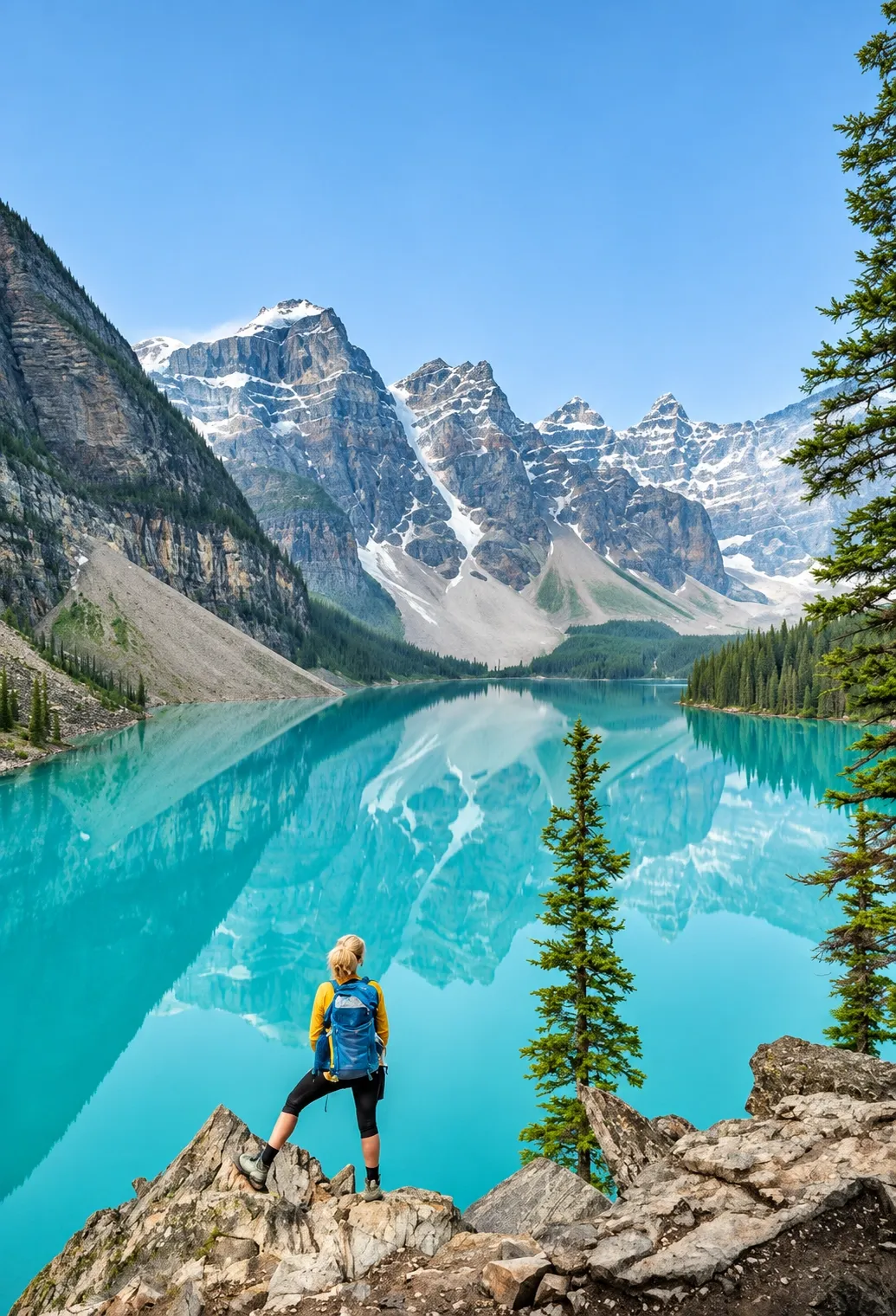
There are few places in the world where nature feels so untouched, so breathtaking, and so profoundly rejuvenating that simply standing still becomes an experience. Tucked within the heart of the Canadian Rockies, Banff is one of those rare destinations.
With snow-capped mountains piercing the sky, crystal-clear turquoise lakes reflecting towering peaks, and wildlife roaming freely through dense pine forests, Banff feels like stepping into a living postcard. For travelers seeking adventure, relaxation, romance, or simply a temporary escape from the demands of everyday life, Banff offers a perfect blend of natural beauty and restorative tranquility.
Whether visited during the vibrant summer months or the magical winter season, Banff is more than a vacation destination. It is an experience that nourishes the soul.
Nestled within Banff National Park, Canada's oldest national park, Banff is surrounded by some of the most spectacular mountain scenery in North America.
Visitors are immediately struck by:
- Towering mountain ranges
- Emerald and turquoise lakes
- Glaciers and waterfalls
- Endless hiking trails
- Pristine forests
- Abundant wildlife
Elk, deer, mountain goats, bighorn sheep, and even bears can often be spotted throughout the region, making every journey feel like an adventure.
For photographers, every turn presents another picture-perfect view. For nature lovers, it feels like paradise.
No visit to Banff is complete without experiencing the world-famous Lake Louise.
Often called the "Jewel of the Rockies," the lake's brilliant turquoise waters are created by glacial rock flour suspended in the water, creating a color so vibrant it almost seems unreal.
During the summer, visitors can:
- Canoe across the lake
- Hike scenic mountain trails
- Enjoy luxury dining overlooking the water
- Explore nearby glaciers
In winter, the lake transforms into a frozen wonderland where visitors can skate beneath snow-covered mountain peaks.
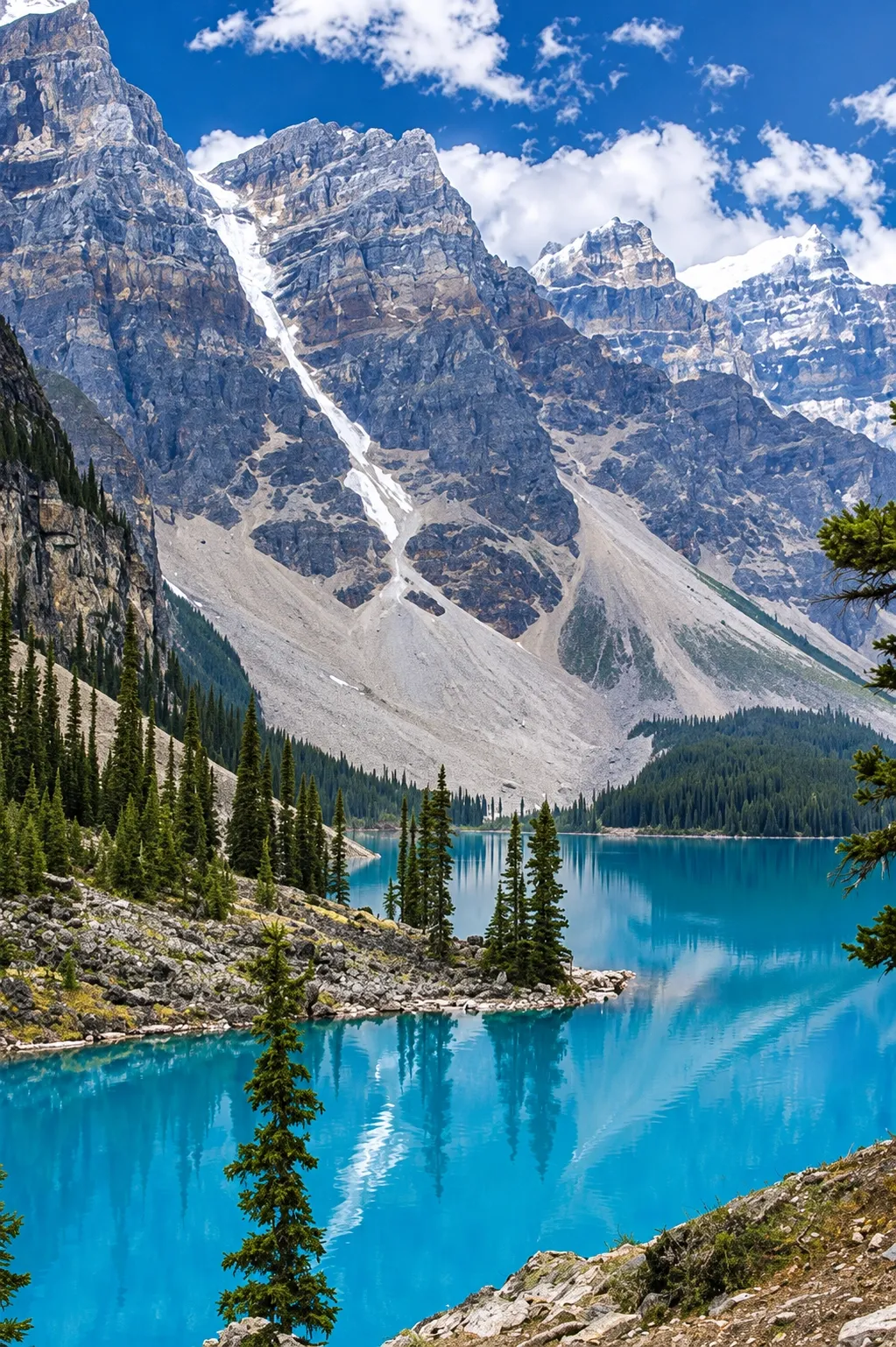
It is one of the most photographed locations in the world, and once you see it in person, it is easy to understand why.
For those who love cold-weather destinations, Banff becomes truly magical during winter.
Fresh snowfall blankets the mountains, creating postcard-worthy scenery around every corner.
Winter activities include:
Banff is home to three world-class ski resorts:
- Sunshine Village
- Lake Louise Ski Resort
- Mt. Norquay
These resorts offer terrain for beginners and experts alike, along with stunning mountain views that make every run unforgettable.
Imagine gliding across a frozen lake surrounded by towering mountains and evergreen forests dusted with snow.
That's exactly what winter skating in Banff feels like.
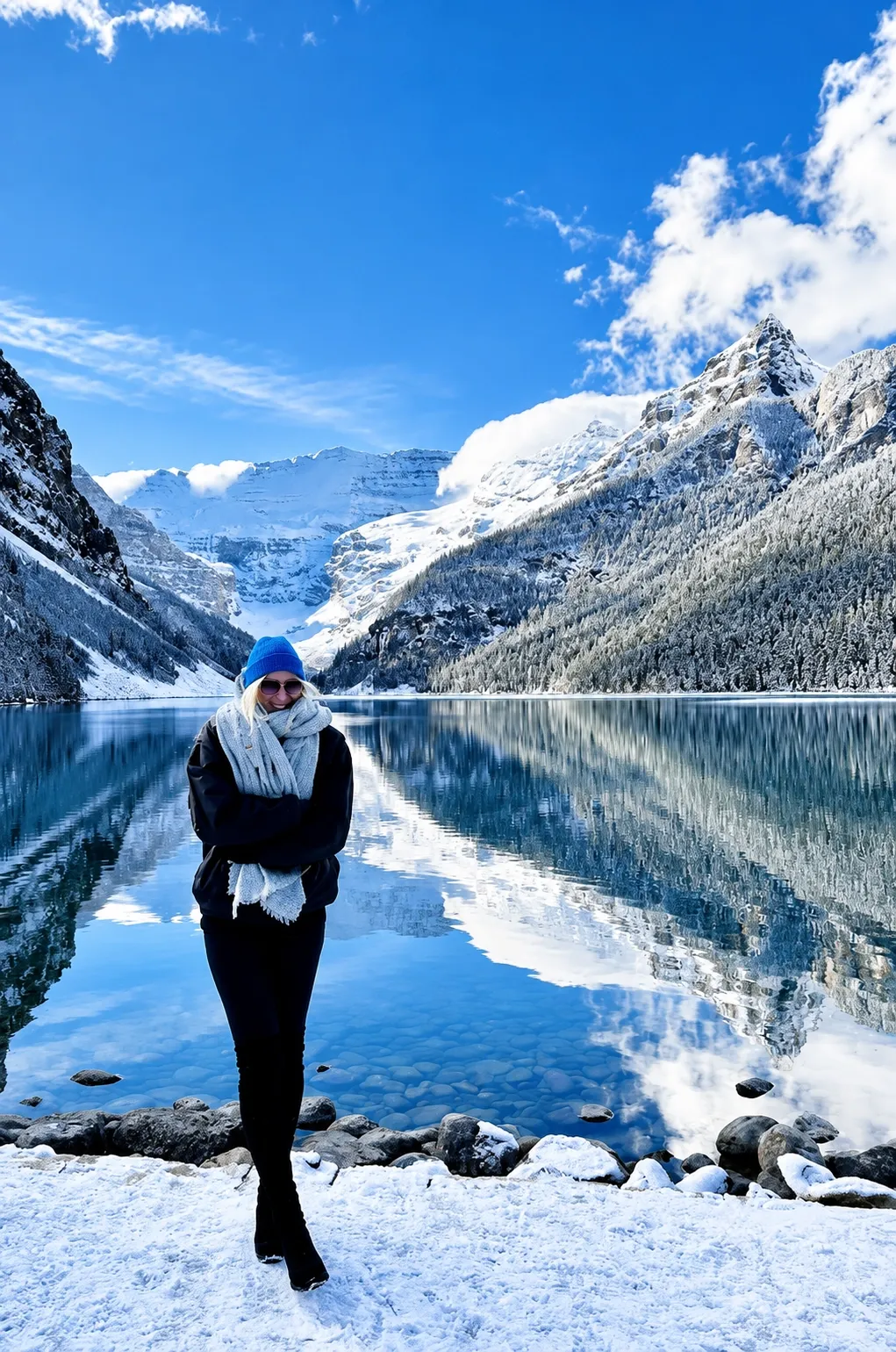
For travelers seeking adventure beyond the slopes, guided snowshoe excursions and dog sledding tours offer unique ways to explore the breathtaking wilderness.
One of Banff's greatest gifts is how effectively it helps visitors disconnect from stress and reconnect with themselves.
Studies consistently show that spending time in nature can reduce stress levels, improve mood, enhance creativity, and support overall mental well-being.
Banff naturally encourages visitors to slow down.
The crisp mountain air.
The peaceful lakes.
The quiet forest trails.
The dramatic sunsets over snow-covered peaks.
Together, they create an environment where healing and relaxation happen naturally.
Many visitors leave feeling mentally refreshed and emotionally restored.

After a day of hiking, skiing, or sightseeing, few experiences compare to relaxing in the famous hot springs.
Surrounded by mountain views, visitors can soak in naturally heated mineral waters while enjoying the fresh alpine air.
The experience combines:
- Relaxation
- Scenic beauty
- Stress relief
- Physical recovery
It is a perfect example of how Banff balances adventure with self-care.

Beyond the wilderness lies the charming town of Banff itself.
The streets are lined with:
- Boutique shops
- Art galleries
- Cafés
- Luxury hotels
- Local restaurants
Visitors can enjoy everything from casual coffee shops to fine dining experiences featuring fresh Canadian cuisine.
The welcoming atmosphere makes Banff feel equally suited for solo travelers, families, friends, and couples seeking a romantic getaway.
Wildflowers begin to bloom and wildlife emerges after winter.
Perfect for hiking, kayaking, camping, and sightseeing.
Golden larch trees transform the mountainsides into vibrant displays of color.
Snow-covered landscapes create a magical alpine escape ideal for skiing and cozy fireside evenings.
No matter when you visit, Banff offers a completely unique experience.
In today's fast-paced world, many vacations are filled with crowded attractions, rushed itineraries, and constant activity.
Banff offers something different.
It offers space.
Space to breathe.
Space to reflect.
Space to reconnect with nature, loved ones, and yourself.
Whether you're seeking outdoor adventure, luxury accommodations, wellness retreats, breathtaking photography, or simple peace and quiet, Banff delivers an experience that lingers long after you've returned home.
Some destinations entertain us.
Others inspire us.
Banff does something even more powerful.
It reminds us of how beautiful the world can be when we pause long enough to appreciate it.
As the sun sets behind the Rocky Mountains and its golden light dances across glacier-fed lakes, it becomes clear why Banff continues to captivate travelers from around the globe.
It's not simply a place to visit.
It's a place to experience.
And for anyone seeking beauty, adventure, and restoration, Banff may just be one of the most unforgettable journeys you'll ever take.

By Cherriell Orius
When travelers dream of snow-covered mountains, crystal-blue glaciers, abundant wildlife, and breathtaking winter scenery, many immediately think of Canada. Yet just beyond the continental United States lies a destination that rivals—and in many ways surpasses—the dramatic beauty of its northern neighbor.
Welcome to Alaska, America's Last Frontier.
A land of towering mountains, frozen landscapes, massive glaciers, and dancing Northern Lights, Alaska offers visitors a chance to experience nature on a grand scale. For travelers seeking the same majestic beauty found in the Canadian Rockies, Alaska delivers an unforgettable adventure while allowing U.S. travelers to remain within the country.
Alaska has a way of making visitors feel wonderfully small.
Everything here seems larger than life.
The mountains rise higher.
The glaciers stretch farther.
The wildlife roams freer.
The landscapes appear untouched by time.
It is a destination where nature remains firmly in charge.
Unlike many tourist destinations filled with crowds and commercial attractions, Alaska offers vast stretches of wilderness that inspire awe and encourage visitors to disconnect from daily stress and reconnect with the natural world.

At the heart of Alaska stands Denali National Park, home to North America's tallest mountain.
Rising dramatically above the surrounding landscape, Denali is often visible from hundreds of miles away on clear days. The park itself encompasses millions of acres of pristine wilderness.
Visitors may encounter:
- Moose
- Caribou
- Dall sheep
- Wolves
- Grizzly bears
- Bald eagles
For photographers, hikers, and nature lovers, Denali offers some of the most spectacular scenery in the world.
One of Alaska's greatest attractions is the opportunity to witness the magical Northern Lights.
During the darker months, particularly around Fairbanks, the night sky often comes alive with luminous ribbons of green, purple, and blue light dancing overhead.
The Aurora Borealis is one of nature's most stunning spectacles.
Standing beneath a sky illuminated by shifting waves of color is an experience many travelers describe as life-changing.
For many visitors, seeing the Northern Lights alone is reason enough to make the journey north.

Alaska is home to some of the world's most impressive glaciers.
Massive walls of blue ice stretch across the landscape, creating scenes that feel almost otherworldly.
Popular glacier destinations include:
Located near Juneau, this spectacular glacier offers hiking trails, waterfalls, and incredible viewpoints.
Known for glacier cruises and breathtaking coastal scenery.
A stunning region filled with glaciers, marine wildlife, and dramatic mountain landscapes.
Watching giant chunks of ice break away and crash into the water below is a humbling reminder of nature's power.
Few places in North America offer wildlife encounters quite like Alaska.
Depending on where you visit, you might see:
- Grizzly bears fishing for salmon
- Moose wandering through town
- Bald eagles soaring overhead
- Humpback whales breaching offshore
- Sea otters floating peacefully in coastal waters
Wildlife photography opportunities abound, making Alaska a dream destination for both amateur and professional photographers.
Adventure seekers will find no shortage of activities.
Popular excursions include:
Experience Alaska's historic form of transportation by gliding across snowy landscapes behind a team of enthusiastic sled dogs.
Walk across ancient ice fields while learning about Alaska's fascinating geological history.
Explore remote wilderness areas inaccessible by traditional vehicles.
Alaska is world-renowned for its salmon and halibut fishing opportunities.
Small aircraft excursions offer breathtaking aerial views of mountains, glaciers, and remote wilderness.

While Alaska's wilderness steals much of the spotlight, its communities offer unique culture and hospitality.
The state's largest city combines modern amenities with easy access to outdoor adventure.
Alaska's capital, surrounded by mountains and accessible primarily by air or sea.
A picturesque waterfront town offering access to glaciers, marine wildlife, and outdoor recreation.
Known as one of the best places to experience the Northern Lights and authentic Alaskan culture.
Each community offers its own blend of history, local cuisine, and friendly hospitality.
Many travelers who consider visiting the Canadian Rockies discover that Alaska offers an equally spectacular experience with the convenience of remaining within the United States.
For some U.S. travelers, this can simplify travel planning while still providing:
- Snow-covered mountain ranges
- Glacier-fed landscapes
- Incredible wildlife encounters
- Adventure excursions
- Winter recreation
- World-class photography opportunities
In many cases, travelers find Alaska comparable to Canada's most famous destinations while potentially avoiding some of the complexities associated with international travel.
There are destinations you visit, and then there are destinations that stay with you.
Alaska is the latter.
There is something transformative about standing before a glacier that has existed for thousands of years.
There is something humbling about watching a moose emerge from a snow-covered forest or witnessing the Northern Lights dance across the night sky.
The vastness of Alaska has a way of putting life's everyday worries into perspective.
It encourages visitors to slow down, breathe deeply, and appreciate the extraordinary beauty of the natural world.
If Canada is famous for its mountain landscapes and winter magic, Alaska offers an equally magnificent experience with a distinctly American character.
From the towering peak of Denali to the glowing Northern Lights above Fairbanks, Alaska delivers unforgettable adventures, breathtaking scenery, and a profound sense of wonder.
For travelers seeking rugged beauty, outdoor exploration, wildlife encounters, and the restorative power of nature, Alaska stands as one of the most spectacular destinations in North America.
Sometimes the greatest adventures aren't found across the border.
They're waiting at the edge of America's last great wilderness.

By Cherriell Orius
If you're in the Virginia Beach area, here are some highly regarded nail salons that offer everything from luxury spa pedicures and gel manicures to custom nail art and wellness-focused treatments.
Located on Virginia Beach Boulevard, this modern salon focuses on personalized nail care in a relaxing environment. Services include gel manicures, acrylics, dipping powder, and deluxe spa treatments.
Why clients love it:
A longtime Virginia Beach favorite offering manicures, pedicures, and various nail enhancement services. Conveniently located near Independence Boulevard.
Best for:
Known for luxurious treatments and attention to detail. This salon combines beauty, relaxation, and modern nail artistry.
Highlights:
One of the area's premier luxury nail destinations, offering signature spa pedicures, manicures, dipping powder services, and specialty treatments.
Perfect for:
Aloha Nails & Spa is highly rated for its professional staff and welcoming atmosphere.
Bonjour Nail Spa is popular among visitors and locals alike for excellent manicure and pedicure services.
Elegant Nail Spa is known for its upscale environment and extensive service menu.
Sky Nail Bar has become a favorite for modern nail art and specialty designs.
For a comprehensive spa experience focused on relaxation, circulation, and self-care, I'd recommend Anthony Vince Nail Spa. Their spa pedicures incorporate soaking, exfoliation, massage, and moisturizing treatments that not only beautify the feet but also help stimulate circulation and relieve stress.
For trendy nail art and a modern atmosphere, Noble Nail Bar is an excellent choice.
For a wellness-focused beauty day, consider pairing your manicure or pedicure with lunch at the oceanfront and a relaxing walk on the beach.
Your mind, body, and nails will thank you.
By Cherriell Orius
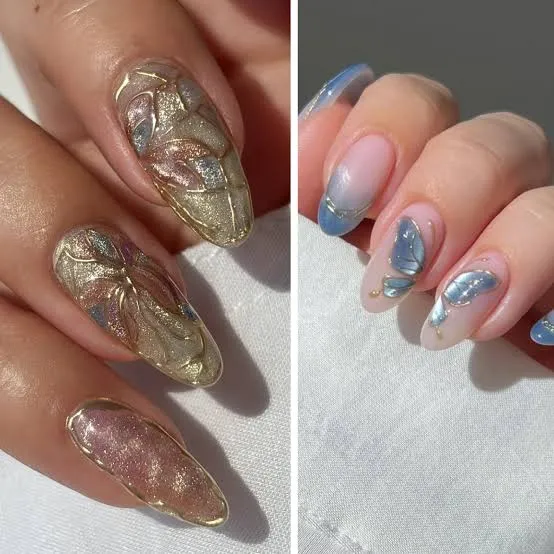
Long before someone notices the label on your handbag, the brand of your shoes, or the designer of your dress, they may notice something much smaller but equally powerful: your nails.
Once considered a simple beauty routine, nail art has evolved into one of fashion's most expressive forms of personal style. From minimalist nude palettes to rhinestone-encrusted masterpieces, nails have become tiny canvases that speak volumes about confidence, creativity, mood, and individuality.
Today, nail art is no longer an accessory.
It is a statement.
Fashion has always been about communication.
We use clothing, hairstyles, jewelry, and makeup to tell the world who we are before we say a single word. Nail art has become an extension of that language.
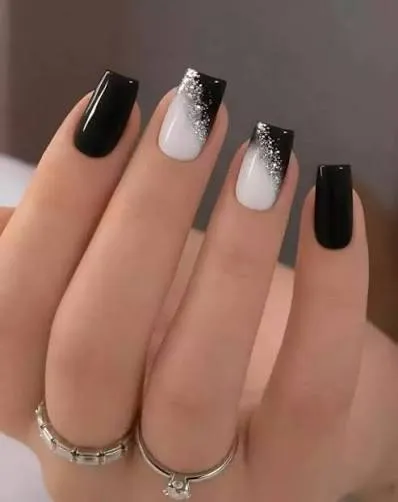
A bold red manicure might communicate confidence and power.
Soft neutral tones often suggest elegance and sophistication.
Bright colors can reflect a playful spirit.
Intricate nail designs showcase creativity and artistic expression.
Just as fashion trends evolve with the seasons, so do nail trends. Runways, celebrities, influencers, and designers continue to embrace nail art as an essential part of the complete fashion look.
Today, the perfect manicure is often the finishing touch that ties an entire outfit together.
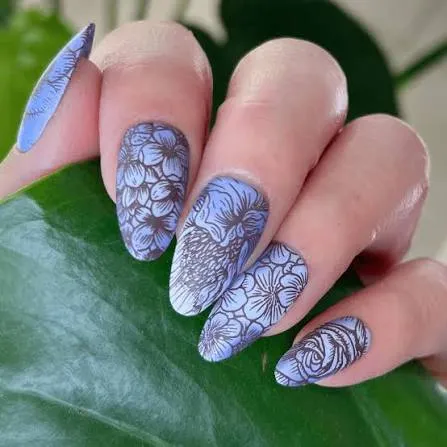
One of the reasons nail art has become so popular is its ability to reflect individuality.
Your nails can tell a story.
For some women, they're about understated luxury.
For others, they're about making an unforgettable entrance.
Popular style personalities include:
This look never goes out of style and exudes timeless sophistication.
Trendsetters use their nails to stay ahead of fashion's latest movements.
These nails demand attention and confidence.
For many women, nails become wearable art.
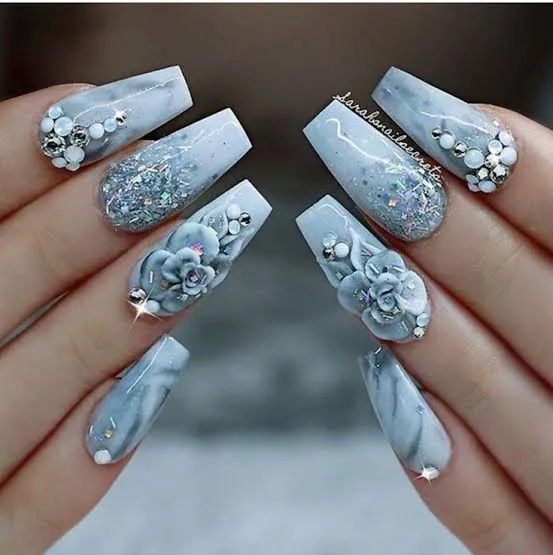
Just as wardrobes transition throughout the year, nail designs often reflect the changing seasons.
Fashionistas understand that nails can complement seasonal wardrobes and create a cohesive, polished appearance.

Luxury fashion houses have recognized the influence of nail trends.
Today, nail artists are creating couture-level designs that rival the creativity found in high-end fashion collections.
Social media platforms have transformed nail artists into celebrities in their own right.
Consumers are no longer simply requesting a manicure.
They are requesting:
Many nail appointments have become collaborative experiences where beauty meets artistry.
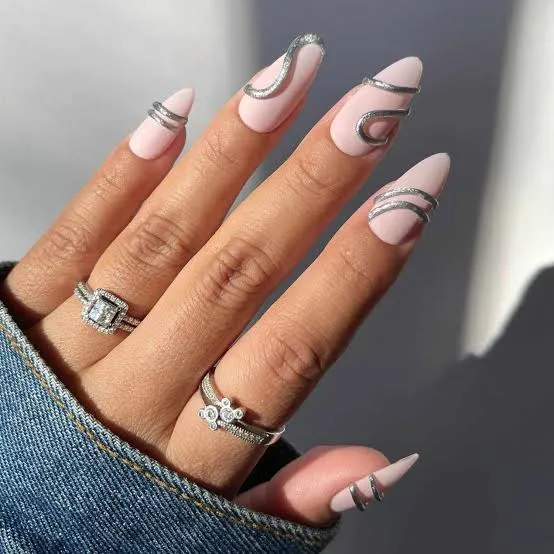
Few beauty experiences create the instant confidence boost that comes from a fresh set of nails.
There is something undeniably empowering about looking down and seeing a flawless manicure.
Beautiful nails can make a woman feel:
Sometimes it is not about impressing others.
It is about how a woman feels about herself.
That confidence often extends into every area of life, from business meetings to social events and special occasions.
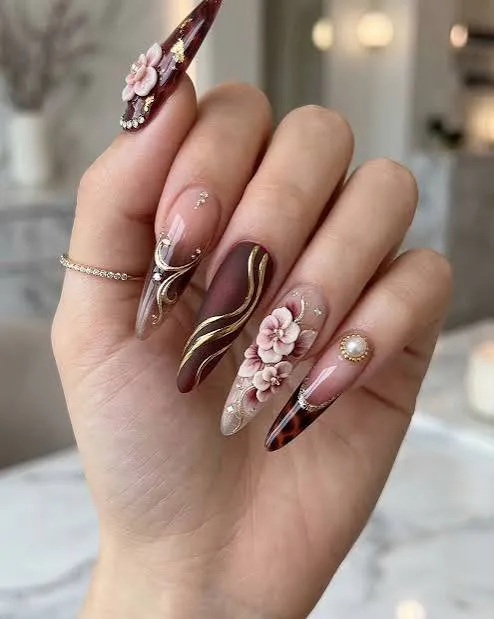
While nail art is undoubtedly fashionable, it is also deeply connected to self-care.
A trip to the nail salon offers an opportunity to pause from the demands of everyday life.
For an hour or two:
Emails can wait.
Deadlines can pause.
Household responsibilities can be set aside.
It becomes a moment entirely dedicated to yourself.
The experience of choosing colors, discussing designs, and enjoying the pampering process can be restorative and uplifting.
In many ways, nail care represents more than beauty maintenance.
It represents intentional self-investment.
As beauty trends continue to evolve, nail art shows no signs of slowing down.
Emerging trends include:
The future of nail fashion will likely continue blending artistry, technology, beauty, and personal expression.
Fashion is about telling your story without speaking.
It is about expressing confidence, creativity, personality, and style through the choices you make.
Nail art has become one of the most powerful ways to do exactly that.
Whether you prefer timeless elegance, modern minimalism, or bold artistic designs, your nails communicate something unique about who you are.
They are the finishing touch to an outfit.
The punctuation mark of personal style.
And sometimes, the smallest details make the biggest statement.
Because in today's fashion world, great style doesn't stop at the wardrobe.
It extends all the way to your fingertips.
Page 1 of 83
Scroll the open page with the arrows, then swipe or use left and right arrows to turn it.
There is always more to become.